





Schnauzer Cut Guide: A Comprehensive Overview (Updated 12/11/2025)
Schnauzers require professional trimming or stripping every three months due to their harsh coats; maintaining their appearance demands consistent grooming attention and care.
The Schnauzer boasts a distinctive double coat, comprised of a dense, wiry outer coat and a soft undercoat, originating from their German heritage as versatile working dogs. This unique texture isn’t simply for aesthetics; it historically provided protection against harsh weather and potential injuries during tasks like guarding and hunting.
Understanding this coat structure is fundamental to proper grooming. Unlike many breeds that benefit from simple clipping, Schnauzers traditionally require hand-stripping – a technique involving plucking out dead hairs to maintain the coat’s texture and color. Regular grooming isn’t merely cosmetic; it’s essential for skin health and preventing matting. Different Schnauzer sizes (Miniature, Standard, and Giant) may exhibit slight variations in coat density, but the core characteristics remain consistent.
Understanding Schnauzer Coat Types
While all Schnauzers share a double coat, subtle differences exist between the varieties impacting grooming approaches. Miniature and Standard Schnauzers typically have a wiry, dense outer coat and a softer undercoat, ideal for hand-stripping to preserve texture and color. Giant Schnauzers, however, possess a slightly harsher, longer outer coat, often requiring more frequent and specialized stripping techniques.
The coat’s texture influences how it feels and looks after grooming. Properly stripped coats exhibit a natural, somewhat scruffy appearance, while clipped coats can appear softer and more rounded. Understanding your Schnauzer’s specific coat type is crucial for selecting the appropriate grooming tools and techniques, ensuring a healthy and aesthetically pleasing result.
The Importance of Regular Grooming
Consistent grooming is paramount for maintaining a Schnauzer’s health and appearance. Their double coat can easily mat and trap debris, leading to skin irritation and discomfort. Regular brushing – several times a week – prevents matting and distributes natural oils, promoting a healthy, shiny coat.
Beyond aesthetics, grooming allows for early detection of skin issues, parasites, or injuries. Hand-stripping, when appropriate, removes dead hair, stimulating new growth and preserving the coat’s texture. Neglecting grooming can result in a dull, tangled coat and potential health problems, emphasizing the need for a dedicated grooming schedule.
Traditional Schnauzer Cuts
Classic Schnauzer cuts emphasize a distinctive, tidy appearance, often involving hand-stripping to maintain coat texture and a well-defined, characteristic facial expression.
The Classic Schnauzer Look
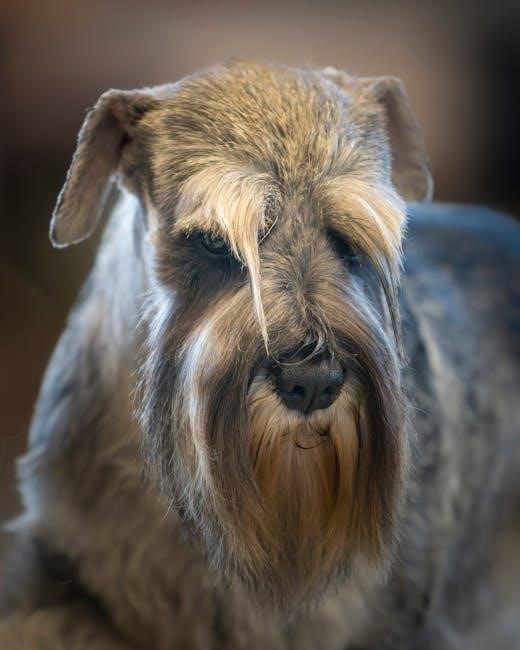
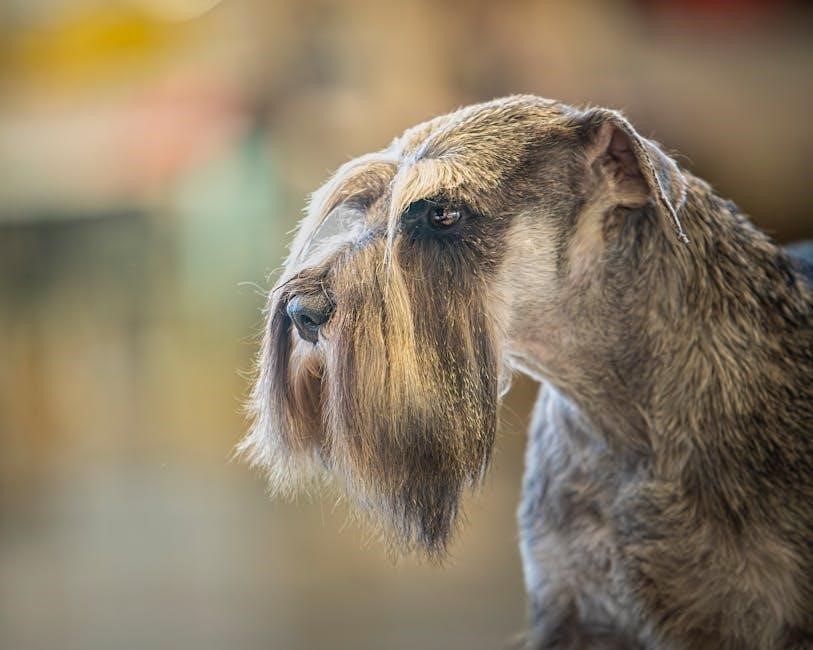
The quintessential Schnauzer appearance centers around a robust, yet refined, silhouette. This involves a neatly trimmed body coat, typically shorter on the legs and longer on the body, creating a rectangular profile. Crucially, the head features a prominent beard and eyebrows, contributing to their expressive faces.
Historically, hand-stripping was the preferred method to achieve this look, removing dead hairs and maintaining the wiry texture of the coat; While clipping is more common today, the classic aesthetic aims to mimic the hand-stripped finish. A well-executed classic cut showcases the Schnauzer’s intelligence and dignified nature, highlighting their alert expression and sturdy build. It’s a timeless style that embodies the breed’s German heritage and working-dog origins.
Show Cut vs. Pet Cut
The distinction between a show cut and a pet cut for Schnauzers lies primarily in precision and coat texture. Show cuts demand meticulous hand-stripping to achieve a natural, wiry coat, emphasizing the breed standard’s desired appearance. This involves removing dead hairs to promote a dense, textured finish, crucial for judging.
Pet cuts, conversely, often utilize clipping for convenience and ease of maintenance. While still aiming for a neat appearance, pet cuts prioritize practicality over strict adherence to show standards. The body coat may be slightly longer, and the head furnishings can be shaped for a softer, more approachable look. Ultimately, a pet cut focuses on comfort and hygiene, while a show cut prioritizes breed-specific aesthetics.
Hand Stripping: A Traditional Technique
Hand stripping is a specialized grooming method for Schnauzers, involving the manual removal of dead or mature hairs from the coat. Unlike clipping, which cuts the hair shaft, hand stripping pulls the entire hair, encouraging new, healthy growth and maintaining the coat’s characteristic texture. This technique preserves the wiry outer coat and soft undercoat, vital for the breed’s intended function and appearance.
Though time-consuming, hand stripping offers superior coat health and color retention. It requires skill and knowledge to avoid damaging the skin or leaving an uneven finish. Regular hand stripping, typically every few months, results in a denser, more weather-resistant coat and a truer representation of the Schnauzer’s breed standard.

DIY Schnauzer Grooming: Tools & Preparation
Essential tools include clippers, stripping knives, brushes, combs, and scissors; preparation involves a non-slip surface, proper lighting, and a calm, cooperative Schnauzer.
Essential Grooming Tools
For successful DIY Schnauzer grooming, assembling the right tools is paramount. High-quality clippers with various blade lengths are crucial for achieving the desired coat length and style. A stripping knife is essential for maintaining the traditional, harsh texture of the Schnauzer’s coat, removing dead hair effectively.
Brushes, including slicker and pin brushes, help remove loose hair and prevent matting. Metal combs are vital for detangling and ensuring a smooth finish. Sharp, curved scissors are needed for precise trimming around the face, ears, and feet. Nail clippers or a grinder are necessary for regular paw maintenance. Finally, a good quality shampoo and conditioner formulated for dog coats will keep your Schnauzer’s skin and fur healthy and clean.
Preparing Your Schnauzer for Grooming
Before beginning any grooming session, thoroughly brush your Schnauzer to remove loose hair and any existing mats or tangles. A bath is recommended, using a dog-specific shampoo and conditioner, ensuring the coat is completely clean and dry. This makes clipping and trimming much easier and more effective.

Introduce your Schnauzer to the grooming tools gradually, allowing them to sniff and investigate each item. A calm and quiet environment minimizes stress. Ensure the grooming area is well-lit and provides a secure, non-slip surface. Positive reinforcement, like treats and praise, will help your Schnauzer associate grooming with a positive experience, making future sessions smoother.
Safety Precautions During Grooming
Prioritize safety during grooming sessions. Always use clippers and scissors designed for pet grooming, ensuring they are sharp and well-maintained to prevent pulling or injury. Be extremely cautious around sensitive areas like the eyes, ears, and genitals.
Monitor your Schnauzer’s body language for signs of stress or discomfort, and take breaks as needed. Never leave a grooming session unattended. Keep cords and tools organized to prevent tripping hazards. If you are unsure about any grooming technique, consult a professional groomer to avoid accidental harm to your beloved companion. A calm demeanor is key!

Step-by-Step Schnauzer Cut Guide
Achieving a perfect Schnauzer cut involves carefully clipping the body, skillfully shaping the head and beard, and precisely trimming eyebrows and ears for a polished look.
Clipping the Body
Begin clipping the Schnauzer’s body with a medium-length blade, typically a #7 or #5, moving with the grain of the coat for a smooth, even finish. Ensure the coat is clean and completely dry before starting to prevent blade drag and uneven cuts. Start at the shoulders and work your way back towards the tail, maintaining consistent pressure and overlapping each pass slightly.
Pay close attention to the topline, keeping it relatively flat, and blend the sides seamlessly into the back. For a more sculpted appearance, you can slightly shorten the coat on the sides. Avoid clipping too close to the skin, as this can cause irritation. Regularly brush away clipped hair as you work to maintain visibility and ensure a clean cut. Remember to check your work frequently from different angles.
Shaping the Head and Beard
The Schnauzer’s head and beard are defining features, requiring careful shaping. Use a longer blade, like a #10, to carefully trim the beard, ensuring it’s full but neatly defined. Blend the beard into the muzzle smoothly, creating a balanced look. For the eyebrows, use small scissors or clippers to trim them, maintaining a natural arch and avoiding a harsh, squared-off appearance.
The top of the head should be slightly rounded, blending seamlessly into the ears. Pay attention to the cheek fur, trimming it to create a clean, sculpted face. Regularly comb the beard and eyebrows to check for symmetry and make adjustments as needed. A well-groomed head enhances the Schnauzer’s expressive features.
Trimming the Eyebrows and Ears
Schnauzer eyebrows contribute significantly to their expressive faces; trim them carefully using small scissors or clippers, maintaining a natural arch and avoiding overly squared edges. The goal is to enhance, not alter, their natural shape. For the ears, trim the edges to create a neat, tidy appearance, blending them smoothly into the head.
Be cautious when trimming inside the ear canal – excessive hair can trap moisture and lead to infections. Regularly check for and remove any stray hairs around the ear base. A clean ear appearance is vital for overall grooming. Consistent trimming prevents a scruffy look and maintains good ear hygiene.
Schnauzer Puppy’s First Grooming Experience
Early introduction to grooming is crucial; use desensitization and positive reinforcement to create a calm, stress-free experience for your Schnauzer puppy.
Introducing Grooming Early
Starting young is paramount when acclimating your Schnauzer puppy to grooming. Begin with short, positive sessions, even before their first professional cut. Gently touch their paws, ears, and face, rewarding calm behavior with treats and praise. Introduce the sound and sensation of clippers gradually, turning them on nearby without actually using them initially.
Associate grooming tools with positive experiences; let your puppy sniff and investigate the brush and comb. Short, frequent sessions are more effective than long, stressful ones. The goal is to build a positive association with being handled and groomed, making future sessions easier for both of you. This early exposure minimizes anxiety and establishes grooming as a normal, pleasant part of their routine.
Desensitization Techniques
Gradual introduction is key to desensitizing your Schnauzer puppy to grooming. Start by simply showing the clippers, then touching them briefly to their body, paired with treats. Slowly increase the duration and intensity, always monitoring for signs of stress. If your puppy becomes anxious, immediately stop and revert to a less challenging step.
Wrap them in a towel (“puppy burrito”) for a sense of security. Practice lifting their paws and examining their ears, rewarding calm acceptance. Mimic the motions of grooming without the tools initially. Consistent, patient repetition builds confidence and reduces fear. Remember, positive reinforcement is crucial; never force or punish your puppy during desensitization.
Positive Reinforcement During Grooming
Reward-based training transforms grooming from a stressful experience into a positive one for your Schnauzer. Offer high-value treats – small, tasty morsels they adore – immediately after each successful step. Verbal praise, like “Good boy!” or “Excellent!”, paired with petting, reinforces desired behavior.
Break down the grooming process into small, manageable steps. Reward calmness during clipper introduction, paw handling, and ear examination. If your Schnauzer shows any anxiety, immediately stop and offer reassurance. Consistency is vital; every grooming session should end on a positive note, leaving your puppy feeling safe and rewarded.

Maintaining the Schnauzer Cut
Regular brushing is essential for preventing matting and tangles, alongside scheduled professional grooming appointments to keep the Schnauzer’s coat healthy and neat.
Regular Brushing Schedule
Establishing a consistent brushing routine is paramount for maintaining a healthy Schnauzer coat and preventing painful matting. Ideally, Schnauzers should be brushed at least two to three times per week, though daily brushing is even more beneficial, especially for longer coat styles.
This regular attention helps to distribute natural oils, keeping the coat shiny and reducing the likelihood of tangles forming. Pay particular attention to areas prone to matting, such as behind the ears, under the legs, and around the tail.
Using a slicker brush and a metal comb will effectively remove loose hair and debris. Consistent brushing not only improves coat health but also provides an opportunity to check for any skin irritations or abnormalities.
Professional Grooming Frequency
While regular home grooming is essential, professional grooming for Schnauzers is crucial for maintaining their breed-standard appearance and coat health. Generally, a professional groom is recommended every four to six weeks. This timeframe allows for proper clipping or hand-stripping, ensuring the coat remains manageable and free of mats.
Professional groomers are skilled in shaping the distinctive Schnauzer look, including the beard, eyebrows, and body coat. They can also address any underlying skin issues and provide expert advice on coat care.
Depending on your Schnauzer’s coat type and lifestyle, the frequency may need adjustment; active dogs or those with faster-growing coats might benefit from more frequent visits.
Dealing with Matting and Tangles
Matting is a common issue in Schnauzers, particularly if grooming is neglected. Regular brushing is the best prevention, but tangles can still occur, especially behind the ears, under the legs, and in the beard. Never attempt to pull mats apart, as this causes pain and skin irritation.
Instead, use a detangling spray and gently work through the mat with a slicker brush or metal comb, starting at the ends and working your way towards the skin. For severe mats, professional intervention is often necessary; a groomer can safely remove them without causing discomfort.
Consistent grooming prevents future matting and keeps your Schnauzer’s coat healthy and comfortable.
Schnauzer Coat Colors and Grooming Considerations
Coat color impacts grooming; white Schnauzers need stain prevention, salt & pepper require color maintenance, and black coats showcase every hair, demanding meticulous care.
Black Schnauzers: Grooming Tips
Black Schnauzers present a unique grooming challenge due to their coat color, as it vividly displays any imperfections or inconsistencies in the trim. Regular brushing – ideally several times a week – is crucial to prevent matting and maintain a sleek, polished appearance. Pay close attention to areas prone to tangles, such as behind the ears and under the legs.
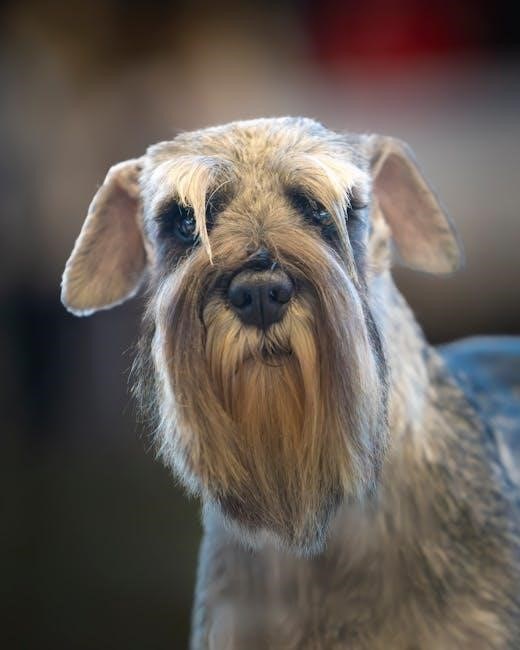
When clipping, use sharp blades to ensure a clean, even cut, avoiding a patchy or uneven look. Hand stripping, while time-consuming, is highly recommended for black Schnauzers to preserve the coat’s texture and color intensity. Bathing should be done as needed, using a high-quality shampoo formulated for black coats to enhance shine and prevent fading. Avoid harsh chemicals or excessive sun exposure, as these can dull the coat’s vibrancy.
Salt & Pepper Schnauzers: Maintaining Color
Salt & Pepper Schnauzers require specific grooming techniques to maintain their distinctive coat coloration, preventing it from becoming dull or washed out. Regular brushing is essential to distribute natural oils and remove dead hair, enhancing the silver and gray tones. Avoid shampoos containing harsh chemicals or brighteners, as these can alter the natural pigment.
Diet plays a role in coat health; a balanced diet rich in omega-3 fatty acids can contribute to a vibrant, healthy coat. Hand stripping is particularly beneficial for Salt & Pepper Schnauzers, as it removes dead hair and encourages new growth with optimal color. Professional grooming can help maintain the desired shade and texture, ensuring a consistently attractive appearance.
White Schnauzers: Preventing Staining
White Schnauzers are prone to tear staining and discoloration around the mouth due to saliva and environmental factors. Frequent cleaning around the eyes with a veterinarian-approved solution is crucial to minimize tear stains. Regular teeth brushing helps reduce saliva production, lessening staining around the muzzle.
Choosing a high-quality diet can also impact coat whiteness. Avoid foods with artificial colors or excessive dyes. Consistent grooming, including regular bathing with a whitening shampoo specifically formulated for white dogs, helps maintain brightness. Promptly address any areas of discoloration to prevent them from becoming permanent, ensuring a pristine white coat.
Schnauzer Grooming for Different Lifestyles
Schnauzer cuts can be adapted for low-maintenance routines, active dogs, or warmer climates, balancing aesthetics with practicality and the dog’s daily life.
Low-Maintenance Schnauzer Cuts
For owners seeking easier grooming routines, several Schnauzer cuts minimize upkeep while retaining the breed’s characteristic charm. A slightly longer, blended cut reduces the frequency of professional trims, typically extending the interval to around six to eight weeks. Avoiding excessively sculpted eyebrows and beards simplifies daily brushing.
Focusing on a neat, tidy appearance rather than a precise show standard significantly lowers maintenance. Regular brushing – even a few times a week – remains crucial to prevent matting, but the overall time commitment is reduced. Clipping the body shorter, while still maintaining some texture, also contributes to easier care. These cuts prioritize practicality without sacrificing the Schnauzer’s distinctive look.
Active Schnauzers: Practical Grooming
Highly energetic Schnauzers benefit from cuts that support their active lifestyles. Shorter body clips minimize the collection of burrs, twigs, and debris during outdoor adventures. Maintaining a manageable beard length prevents it from becoming tangled or excessively dirty during play. Regular brushing is still essential, but a shorter coat requires less intensive detangling.
Focus on practicality over elaborate styling; a neat, functional trim is ideal. Consider a slightly rounded appearance to the feet to prevent snagging. Frequent baths aren’t necessary, as they can strip the coat of natural oils, but spot cleaning after muddy excursions is recommended. Prioritize comfort and ease of maintenance for a happy, active companion.
Schnauzers in Hot Climates: Summer Cuts
For Schnauzers living in warmer regions, a summer cut prioritizes cooling and comfort. A shorter clip, typically around one inch, allows for better airflow and reduces overheating. However, avoid shaving the coat completely, as it provides some protection from the sun and prevents sunburn. Maintaining some length also helps regulate body temperature.
Pay close attention to the undercoat; removing excess fluff enhances cooling. Regular brushing remains vital to prevent matting, even with a shorter cut. Ensure adequate hydration and provide shade during peak sun hours. A well-maintained, shorter coat helps your Schnauzer stay comfortable and enjoy the summer months without discomfort.
Finding a Professional Schnauzer Groomer
Selecting a groomer requires asking about Schnauzer-specific experience, evaluating salon hygiene, and building a rapport for consistent, quality grooming services.
Questions to Ask a Groomer
Before entrusting your Schnauzer to a groomer, thorough questioning is essential. Inquire about their experience specifically with the Schnauzer breed and their familiarity with traditional Schnauzer cuts, including hand stripping versus clipping.
Ask if they are comfortable executing the desired style – whether it’s a classic show cut or a more practical pet trim.
Crucially, determine their approach to hand stripping, a specialized technique vital for maintaining the coat’s texture and color.
Also, clarify their safety protocols and how they handle anxious or sensitive dogs.
Finally, don’t hesitate to ask about their cleaning and sanitation procedures to ensure a hygienic grooming environment for your beloved companion.
Evaluating Grooming Salon Hygiene
A clean grooming salon is paramount for your Schnauzer’s health and wellbeing. Observe the overall cleanliness – floors should be swept and mopped, and surfaces disinfected.
Inspect the grooming tools; they must be thoroughly cleaned and sanitized between each dog to prevent the spread of skin conditions or infections.
Pay attention to the presence of fresh water and clean towels.
Check if the salon has proper ventilation to minimize airborne allergens and odors.
A reputable groomer will readily demonstrate their sanitation practices, assuring you of a safe and healthy grooming experience for your Schnauzer.
Building a Relationship with Your Groomer
Establishing a strong rapport with your Schnauzer’s groomer is crucial for consistent, quality care. Open communication is key – discuss your desired cut, your dog’s temperament, and any health concerns.
Share insights into your Schnauzer’s personality; knowing their likes and dislikes helps the groomer create a positive experience.
Regular visits and consistent groomers allow for familiarity, reducing stress for your pet.
Don’t hesitate to ask questions and provide feedback.
A trusted groomer becomes a valuable partner in maintaining your Schnauzer’s coat health and overall wellbeing.