






30-Day Ab Challenge PDF: A Comprehensive Guide
Embark on a transformative journey with a 30-day ab challenge PDF! These routines, often designed by certified trainers, promise a stronger core within a month.
Many programs utilize bodyweight exercises, progressively increasing difficulty daily, and focusing on upper and lower abdominal muscles for visible results and improved stability.
What is a 30-Day Ab Challenge?
A 30-day ab challenge is a structured fitness program designed to strengthen and tone your core muscles over a month. Typically delivered as a PDF or through fitness apps, these challenges present a daily workout routine specifically targeting the abdominal muscles.
These programs often begin with simpler exercises and gradually increase in intensity, incorporating variations to engage both upper and lower abs, as well as obliques. The core focus is consistency – completing the assigned exercises each day for 30 consecutive days. Many challenges utilize bodyweight exercises, making them accessible without gym equipment.
The goal isn’t necessarily dramatic weight loss, but rather building core strength, improving stability, and potentially revealing more defined abdominal muscles when combined with a healthy diet. Expect a series of exercises that become progressively harder as you advance through the month.
The Benefits of a Strong Core
A robust core extends far beyond aesthetic appeal; it’s fundamental to overall physical well-being. Strengthening your core muscles – encompassing both abdominal and back muscles – provides a stable base for all movement, improving posture and balance.
A strong core can significantly reduce the risk of lower back pain by supporting the spine and promoting proper alignment. It also enhances athletic performance, increasing power and efficiency in various activities.
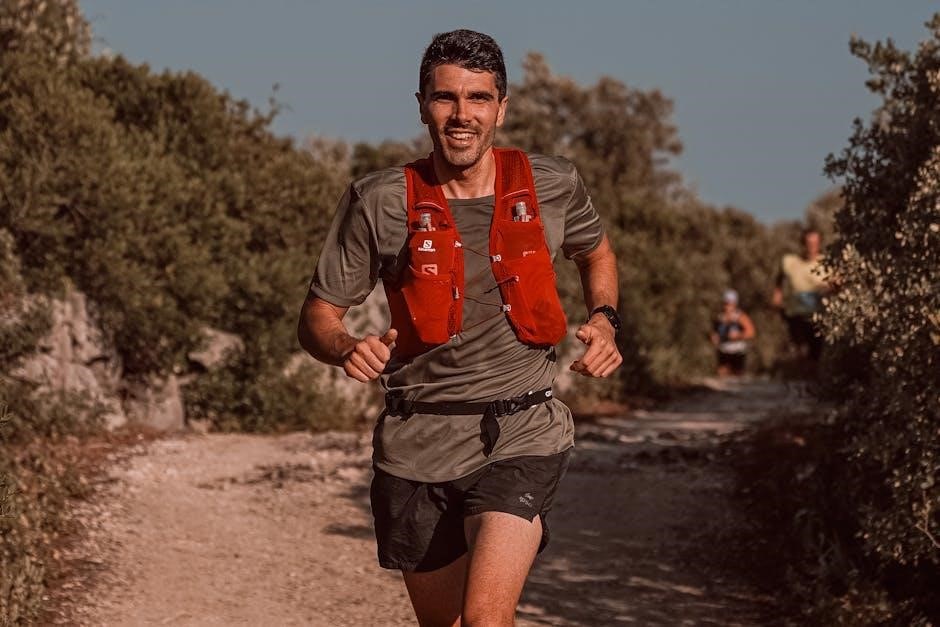
Furthermore, core stability impacts everyday tasks, from lifting objects to simply sitting upright. Challenges like the 30-day ab challenge contribute to improved stability, preventing injuries and fostering a healthier, more functional body. It’s your source of power, seriously impacting your entire body.
Understanding Upper and Lower Abs
Effectively targeting both upper and lower abdominal muscles is crucial for a well-rounded 30-day ab challenge. The rectus abdominis, commonly known as the “six-pack” muscle, extends the entire length of the abdomen, but exercises can emphasize different sections.
Upper ab exercises, like crunches and reverse crunches, focus on the portion closer to the chest, while lower ab exercises, such as leg raises and hanging leg raises, target the area near the pelvis.
A comprehensive challenge incorporates both to ensure balanced development and a sculpted appearance. Ignoring either region can lead to muscular imbalances and limit overall core strength. Prioritizing varied exercises is key to achieving optimal results from your PDF program.
Progressive Overload in Ab Challenges
Progressive overload is a cornerstone of any effective 30-day ab challenge PDF. This principle involves gradually increasing the demands on your core muscles over time to stimulate continued growth and strength gains.
Challenges typically achieve this by increasing repetitions, sets, or difficulty of exercises each week. Starting with manageable routines and slowly adding complexity prevents plateaus and minimizes injury risk.
For example, a challenge might begin with basic crunches and progress to weighted variations or more challenging exercises like V-ups. Consistent progression ensures your muscles are continually challenged, leading to noticeable improvements in core strength and definition throughout the 30 days.

Components of a Typical 30-Day Ab Challenge
A standard challenge blends daily workouts, bodyweight and weighted exercises, essential warm-ups, cool-downs, and variations catering to all fitness levels for optimal results.
Daily Workout Structure
Most 30-day ab challenge PDFs structure workouts around 10-minute daily sessions, making them easily integrable into busy schedules. The core principle involves a progressive increase in exercise intensity and volume as the challenge unfolds.
Initially, routines often feature higher repetitions of foundational exercises like crunches and planks. As days progress, expect more challenging variations – think hanging leg raises, Russian twists, or bicycle crunches – and potentially the introduction of weighted elements.
A typical daily structure might include a brief warm-up, followed by 3-5 distinct ab exercises performed for a set number of repetitions or duration, and concluding with a cool-down stretch. Consistency is key; adhering to the daily schedule maximizes results and builds core stability.
Bodyweight vs. Weighted Exercises
Many 30-day ab challenges begin primarily with bodyweight exercises, making them accessible to all fitness levels without requiring equipment. These foundational movements – planks, crunches, leg raises – effectively engage the core and build initial strength.
However, as the challenge progresses, incorporating weighted exercises can significantly enhance results. Adding dumbbells, resistance bands, or even household items increases the intensity and promotes greater muscle fiber recruitment.
Weighted variations, like Russian twists with a weight plate or weighted leg raises, provide a greater stimulus for muscle growth and definition. The choice depends on individual fitness levels and goals, but a blend of both approaches often yields optimal outcomes.
Warm-up and Cool-down Routines
A successful 30-day ab challenge isn’t just about the core exercises; proper preparation and recovery are crucial. Begin each workout with a dynamic warm-up of 5-10 minutes. This could include torso twists, leg swings, and cat-cow stretches to increase blood flow and prepare muscles for exertion.

Dynamic stretching enhances range of motion and reduces the risk of injury. Equally important is a cool-down routine post-workout. Static stretches, holding each pose for 20-30 seconds, help improve flexibility and reduce muscle soreness.
Focus on stretching the abdominal muscles and lower back. Neglecting these routines can hinder progress and increase the likelihood of strains or discomfort.
Exercise Variations for Different Levels
A well-structured 30-day ab challenge PDF acknowledges varying fitness levels. Beginners should start with modified exercises, like knee crunches instead of full crunches, and planks on their knees. As strength increases, progress to standard variations.
Intermediate levels can incorporate exercises like bicycle crunches and leg raises, focusing on controlled movements. Advanced individuals can add weighted exercises, such as Russian twists with a dumbbell or weighted planks, to further challenge their core.
Progressive overload is key – gradually increasing the difficulty ensures continued muscle growth and prevents plateaus. Listen to your body and adjust variations accordingly.

Popular Exercises Included in Challenges
Common exercises in 30-day ab challenge PDFs include crunches, planks, leg raises, Russian twists, and bicycle crunches. These target various core muscle groups effectively.
Crunches and Their Variations
Crunches are a foundational exercise in many 30-day ab challenge PDFs, serving as a starting point for core engagement. However, simply performing standard crunches can lead to plateaus. Therefore, variations are crucial for continued progress and targeting different abdominal areas.
Common crunch variations include reverse crunches, which emphasize the lower abs, and oblique crunches, focusing on the sides. Adding a twist during the crunch engages the obliques further. Some challenges incorporate weighted crunches, using a dumbbell or plate for increased resistance. Proper form is paramount; focus on controlled movements and avoid pulling on the neck.
Progressive overload is key, gradually increasing repetitions or sets as your core strength improves. Remember to combine crunches with other exercises for a well-rounded abdominal workout.
Planks: Types and Proper Form
Planks are a cornerstone of most 30-day ab challenge PDFs, renowned for their effectiveness in building core stability. However, maximizing benefits requires understanding proper form and exploring variations. A standard plank involves maintaining a straight line from head to heels, engaging the core, glutes, and shoulders.
Numerous plank variations exist, including forearm planks, high planks, side planks, and plank jacks. Side planks specifically target the obliques, while plank jacks add a cardio element. Maintaining a neutral spine is vital; avoid sagging hips or a raised back.
Hold each plank for increasing durations as the challenge progresses, focusing on controlled breathing and consistent core engagement. Proper form prevents injury and ensures optimal results.
Leg Raises and Hanging Leg Raises
Leg raises are frequently incorporated into 30-day ab challenge PDFs to target the lower abdominal muscles effectively. These exercises involve lifting the legs while maintaining a stable upper body, either lying flat or hanging from a bar. Hanging leg raises, a more advanced variation, demand greater core strength and control.
Proper form is crucial to prevent lower back strain. Focus on engaging the core throughout the movement, avoiding excessive arching of the back. Controlled, deliberate repetitions are more effective than quick, jerky motions.
Progressive overload is key; challenges often increase repetitions or introduce weighted leg raises as fitness improves. These exercises build strength and contribute to a sculpted lower abdomen.
Russian Twists and Oblique Exercises
Russian twists are a staple in many 30-day ab challenge PDFs, specifically targeting the obliques – the muscles along the sides of your abdomen. These exercises involve rotating the torso while maintaining a stable core, often with a weight for added resistance.
Oblique exercises are vital for a well-rounded core workout, contributing to rotational strength and a more defined waistline. Variations include side bends, bicycle crunches, and wood chops, all commonly found within these challenges.
Focus on controlled movements and full range of motion. Proper form prevents injury and maximizes engagement of the oblique muscles, leading to noticeable improvements in core stability and definition.
Bicycle Crunches for Full Core Engagement
Bicycle crunches are a cornerstone exercise in numerous 30-day ab challenge PDFs, renowned for their ability to engage the entire core musculature. This dynamic movement targets the rectus abdominis, obliques, and lower abdominal muscles simultaneously.
The exercise mimics a cycling motion, bringing the elbow towards the opposite knee while extending the other leg. Maintaining a controlled pace and focusing on twisting from the torso, rather than just pulling with the arms, is crucial.
Proper form ensures maximum effectiveness and minimizes risk of strain. Bicycle crunches contribute to improved core stability, rotational power, and a sculpted abdominal appearance, making them a popular choice in these challenges.

Finding and Using a 30-Day Ab Challenge PDF
Numerous reliable PDFs are available online, often created by certified personal trainers, offering structured 30-day ab challenges for all fitness levels.
Carefully evaluate credibility and customize the plan to match your current abilities for optimal results and sustained motivation.
Where to Download Reliable PDFs
Locating trustworthy 30-day ab challenge PDFs requires a discerning approach. Many fitness websites and blogs offer downloadable plans, but quality varies significantly. Look for resources created by certified personal trainers or reputable fitness professionals; their expertise ensures exercise safety and effectiveness.
Popular platforms like fitness apps and dedicated workout websites frequently host these challenges. Social media, particularly Instagram and Pinterest, can also be sources, but always verify the creator’s credentials; Websites offering free workout routines often have downloadable PDFs. Remember to prioritize challenges that emphasize proper form and progressive overload; Be cautious of PDFs promising unrealistic results or lacking clear instructions. A well-designed PDF will detail each exercise with visual aids and provide modifications for different fitness levels.
Evaluating the Credibility of a Challenge
Assessing the credibility of a 30-day ab challenge PDF is crucial for safe and effective results. First, scrutinize the source – is it a qualified fitness professional or a reputable organization? Look for certifications like a CPT (Certified Personal Trainer). Beware of challenges promoting rapid, unrealistic transformations; sustainable progress takes time.
Examine the exercise selection. A credible challenge will include a variety of movements targeting upper, lower, and oblique abs. Clear instructions and visual demonstrations are essential. A good PDF will also address warm-up and cool-down routines. Avoid challenges lacking disclaimers about potential risks or advising consultation with a healthcare professional. Prioritize plans that emphasize proper form over sheer volume, minimizing injury risk and maximizing core engagement.
Customizing the Challenge to Your Fitness Level
Adapting a 30-day ab challenge PDF to your current fitness level is key to preventing injury and maximizing results. Beginners should start with modifications – reducing repetitions, shortening hold times for planks, or choosing easier exercise variations. Don’t hesitate to scale back if you experience pain.
Intermediate and advanced individuals can increase the intensity by adding resistance (weights, resistance bands), increasing reps, or selecting more challenging variations. Listen to your body; rest when needed. Consider incorporating rest days, even if the PDF doesn’t explicitly include them. Progressive overload – gradually increasing the challenge – is vital, but avoid pushing yourself too hard, too soon. Remember, consistency and proper form are more important than speed.
Tracking Progress and Staying Motivated
Maintaining motivation throughout a 30-day ab challenge PDF is crucial for success. Regularly track your progress – note the number of repetitions completed, hold times, and any modifications made. Visual tracking, like taking “before” and “after” photos, can be incredibly motivating.
Celebrate small victories along the way! Find an accountability partner to share your journey and provide support. Schedule your workouts like any other important appointment. Remember why you started – visualize your goals. Don’t get discouraged by setbacks; consistency is key. Even a little bit of effort each day adds up over 30 days, leading to noticeable core strength gains and improved definition.

Diet and Nutrition for Optimal Results
Maximize your 30-day ab challenge PDF results with proper nutrition! Prioritize protein intake, stay hydrated for muscle recovery, and focus on a balanced diet.
Reducing body fat through diet complements the exercise, revealing abdominal definition and enhancing overall core strength gains.
The Importance of Protein Intake
Protein is absolutely crucial when undertaking a 30-day ab challenge PDF. It serves as the building block for muscle repair and growth, directly impacting your core strengthening efforts.
Adequate protein intake helps preserve lean muscle mass while you potentially reduce body fat, leading to a more toned and defined abdominal area. Aim for a consistent supply throughout the day, incorporating sources like lean meats, poultry, fish, eggs, and plant-based options such as beans and lentils.
Without sufficient protein, your body may struggle to recover effectively from daily workouts, hindering progress and potentially leading to muscle soreness. Prioritizing protein alongside your challenge will significantly enhance your results and support long-term core health.
Consider your activity level and body weight when determining your daily protein needs.
Hydration and its Role in Muscle Recovery
Staying adequately hydrated is paramount during a 30-day ab challenge PDF, often overlooked but critically important for optimal results and preventing injury.
Water plays a vital role in muscle recovery, transporting nutrients to muscle cells and flushing out waste products generated during exercise. Dehydration can lead to muscle cramps, fatigue, and reduced performance, hindering your progress.
Aim to drink water consistently throughout the day, especially before, during, and after your ab workouts. Don’t wait until you feel thirsty – that’s a sign you’re already slightly dehydrated!
Proper hydration supports overall bodily functions, enhancing your ability to build a stronger core and achieve visible abdominal definition alongside your chosen challenge.

Foods to Include and Avoid
Complementing your 30-day ab challenge PDF with a strategic diet is crucial for maximizing results. Focus on nutrient-dense foods that support muscle recovery and fat loss, enhancing core definition.
Prioritize lean protein sources like chicken, fish, and beans to aid muscle repair and growth. Incorporate complex carbohydrates such as whole grains and vegetables for sustained energy. Healthy fats from avocados and nuts are also beneficial.
Minimize processed foods, sugary drinks, and excessive saturated fats, as these can hinder progress and contribute to unwanted fat storage. A balanced diet, alongside consistent exercise, is key.
Remember, visible abs are often achieved through reducing body fat percentage, making mindful food choices essential.

Potential Risks and Considerations
Prioritize safety during your 30-day ab challenge PDF! Proper form prevents injuries, while listening to your body and incorporating rest days is vital for recovery.
Proper Form to Prevent Injuries
Maintaining correct form is paramount throughout your 30-day ab challenge PDF journey. Incorrect technique can lead to strains, sprains, and lower back pain, negating any benefits. Focus on controlled movements, engaging your core throughout each exercise, rather than rushing through repetitions.
For example, during crunches, avoid pulling on your neck; instead, concentrate on lifting with your abdominal muscles. With planks, ensure your body forms a straight line from head to heels, preventing sagging or arching. If you’re unsure about proper form, consider watching videos demonstrating correct technique or consulting a fitness professional. Prioritizing form over quantity will safeguard your body and maximize the effectiveness of the challenge.
Listening to Your Body and Rest Days
Your body’s signals are crucial during a 30-day ab challenge PDF. Don’t push through sharp pain; differentiate between muscle soreness and injury. Ignoring discomfort can lead to setbacks and prolonged recovery times. Incorporate rest days into your routine – muscles need time to repair and rebuild after exertion.
Active recovery, like light walking or stretching, can aid recovery on rest days. If you experience persistent pain, modify exercises or consult a healthcare professional. Remember, consistency is key, but so is self-awareness. Adjust the challenge to your fitness level and prioritize your well-being over completing every exercise flawlessly.
When to Consult a Healthcare Professional
Prioritize your health when undertaking a 30-day ab challenge PDF. Consult a doctor before starting if you have pre-existing conditions, especially back problems or injuries. Sharp, persistent pain during exercises warrants immediate medical attention – don’t attempt to “work through it.”
If you experience dizziness, nausea, or unusual shortness of breath, stop the challenge and seek professional advice. Individuals with diastasis recti (abdominal separation) should consult a physical therapist for safe exercise modifications. A healthcare professional can assess your fitness level and ensure the challenge is appropriate for you, minimizing risk and maximizing benefits.

Real Results and Expectations
Expect a stronger core and potential for visible definition with consistent effort! Results vary; some may see reduced belly fat and improved posture within 30 days.
Visible Changes in Core Strength
A consistent 30-day ab challenge demonstrably improves core strength. Participants frequently report feeling more stable and supported in everyday movements, noticing enhanced posture and balance. The progressive nature of these challenges – starting with manageable exercises and gradually increasing intensity – allows for noticeable gains in endurance and muscular strength.
Individuals often experience an increased ability to perform exercises requiring core engagement, such as planks and twists, holding positions for longer durations. While dramatic six-pack abs aren’t guaranteed in just 30 days, a firmer, more toned midsection is a common outcome. This strengthened core contributes to better form during other workouts, reducing the risk of injury and maximizing overall fitness gains. Expect to feel the difference, even if visual changes are subtle initially.
Impact on Body Fat Percentage
While a 30-day ab challenge builds core strength, significant reductions in overall body fat percentage require a holistic approach. The challenge itself contributes to calorie expenditure, but it’s most effective when combined with a balanced diet and consistent cardiovascular exercise. Expecting a dramatic decrease in body fat solely from ab exercises is unrealistic.
However, a strengthened core can indirectly support fat loss by enabling more effective workouts and promoting better posture. Some individuals may observe a slight reduction in belly fat, as noted by one participant losing around four pounds, alongside some visible definition. Ultimately, visible abs depend on lowering body fat, achieved through proper diet and exercise, not just targeted ab work.
Long-Term Core Maintenance
Completing a 30-day ab challenge is a fantastic start, but maintaining those gains requires ongoing commitment. Don’t revert to old habits after the challenge ends; integrate core exercises into your regular fitness routine two to three times per week.
Vary your exercises to continually challenge your muscles and prevent plateaus. Continue prioritizing a healthy diet rich in protein to support muscle recovery and growth. Remember, your core is fundamental to overall stability and preventing back pain, so consistent engagement is key. Think of the challenge as a catalyst for a long-term lifestyle change, not a quick fix.